
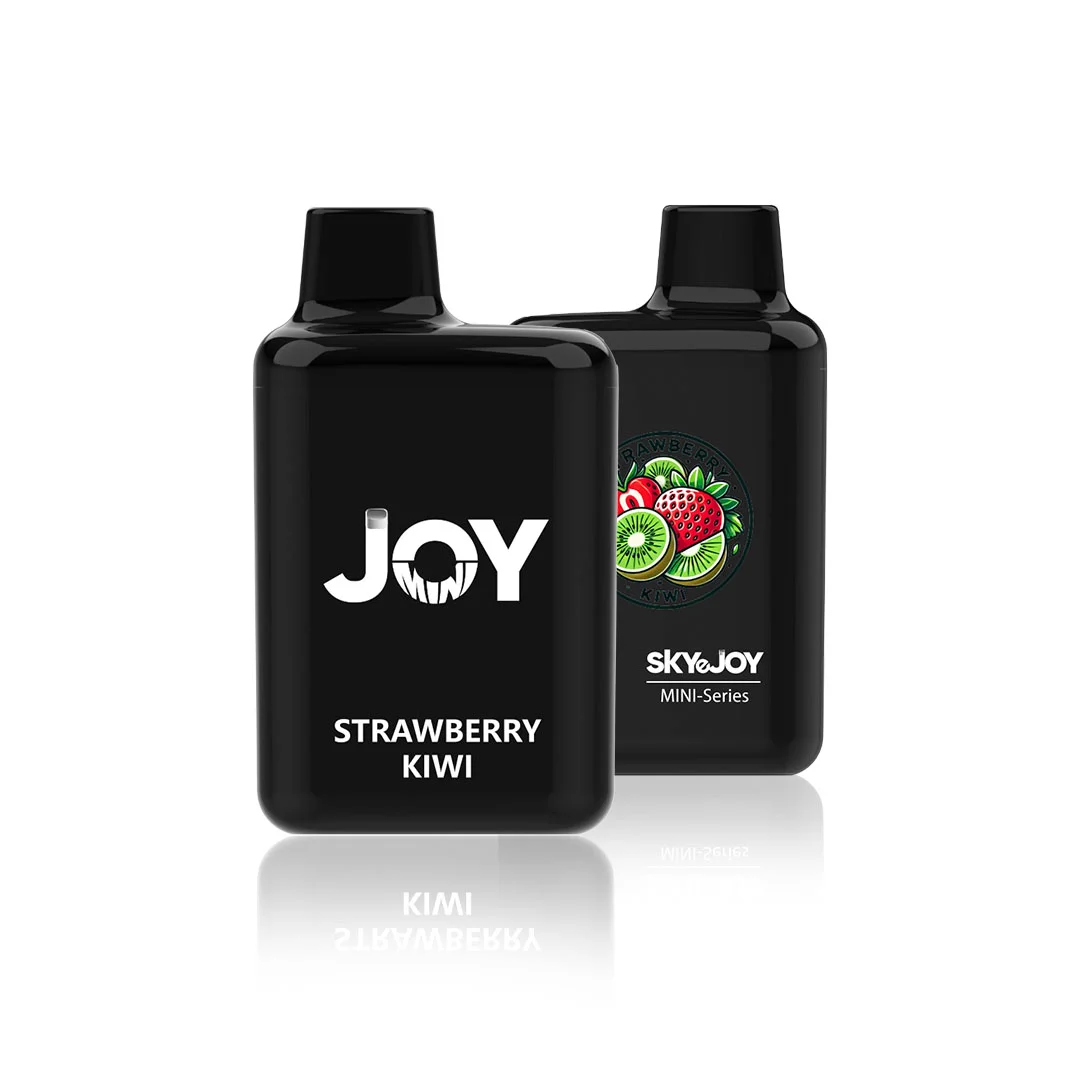
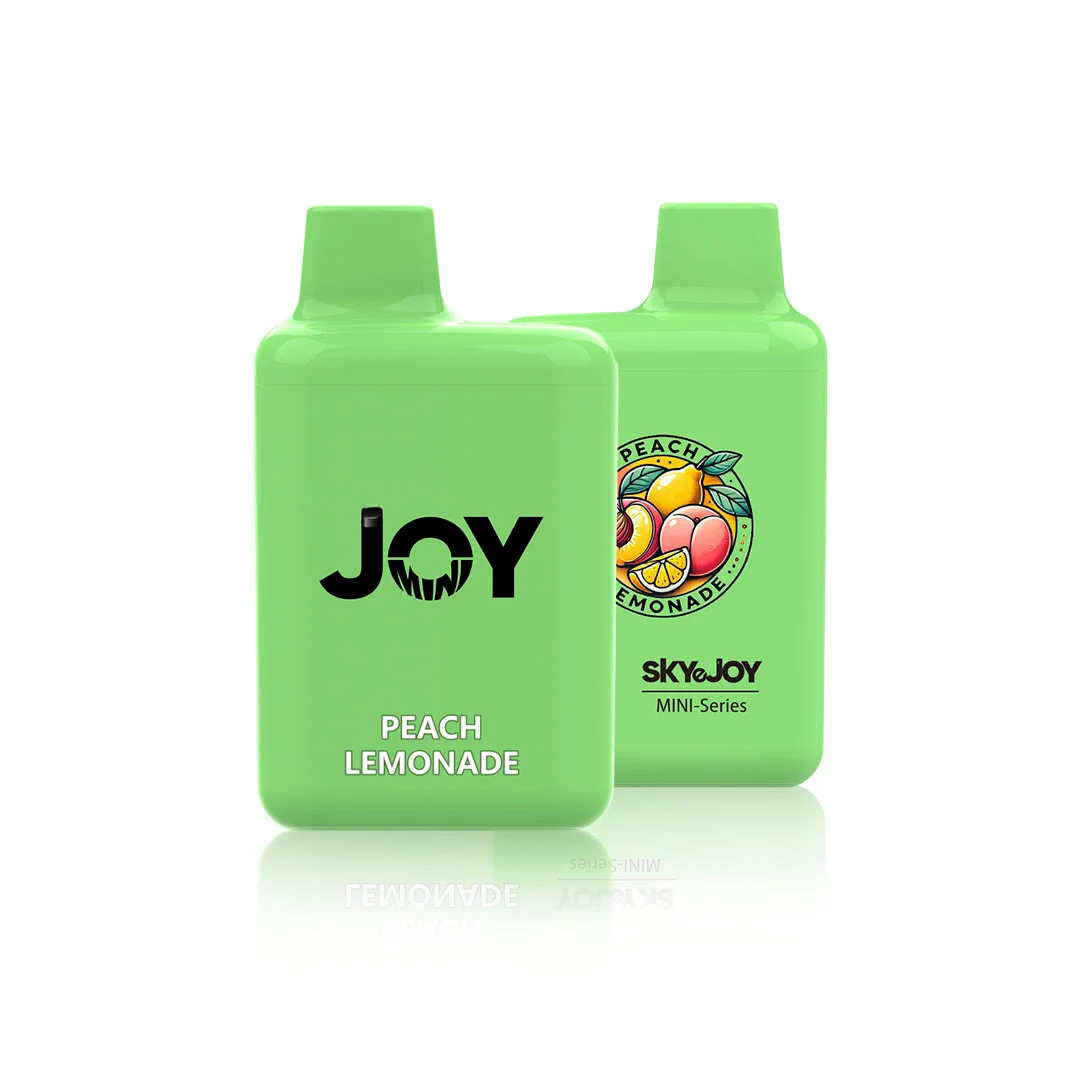
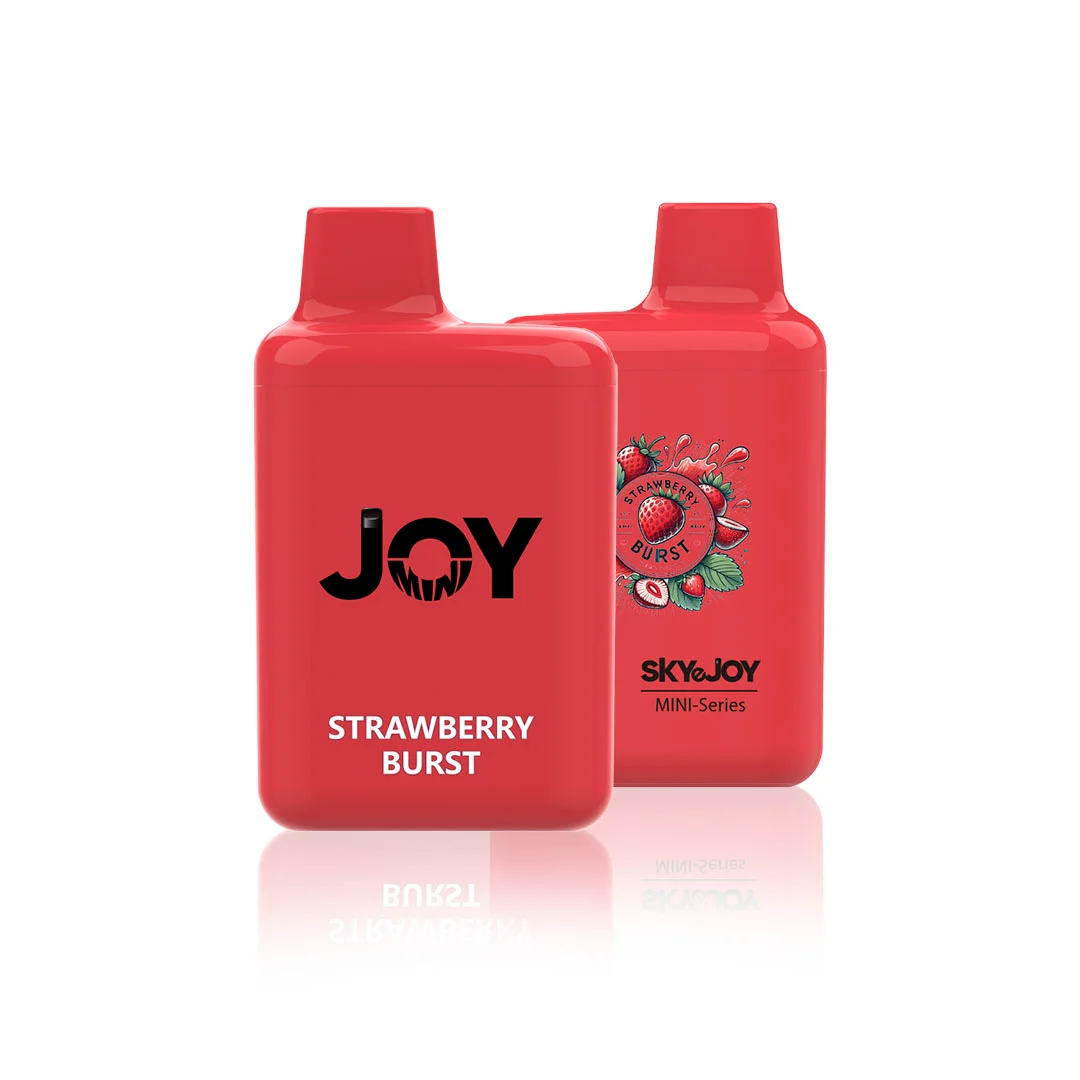
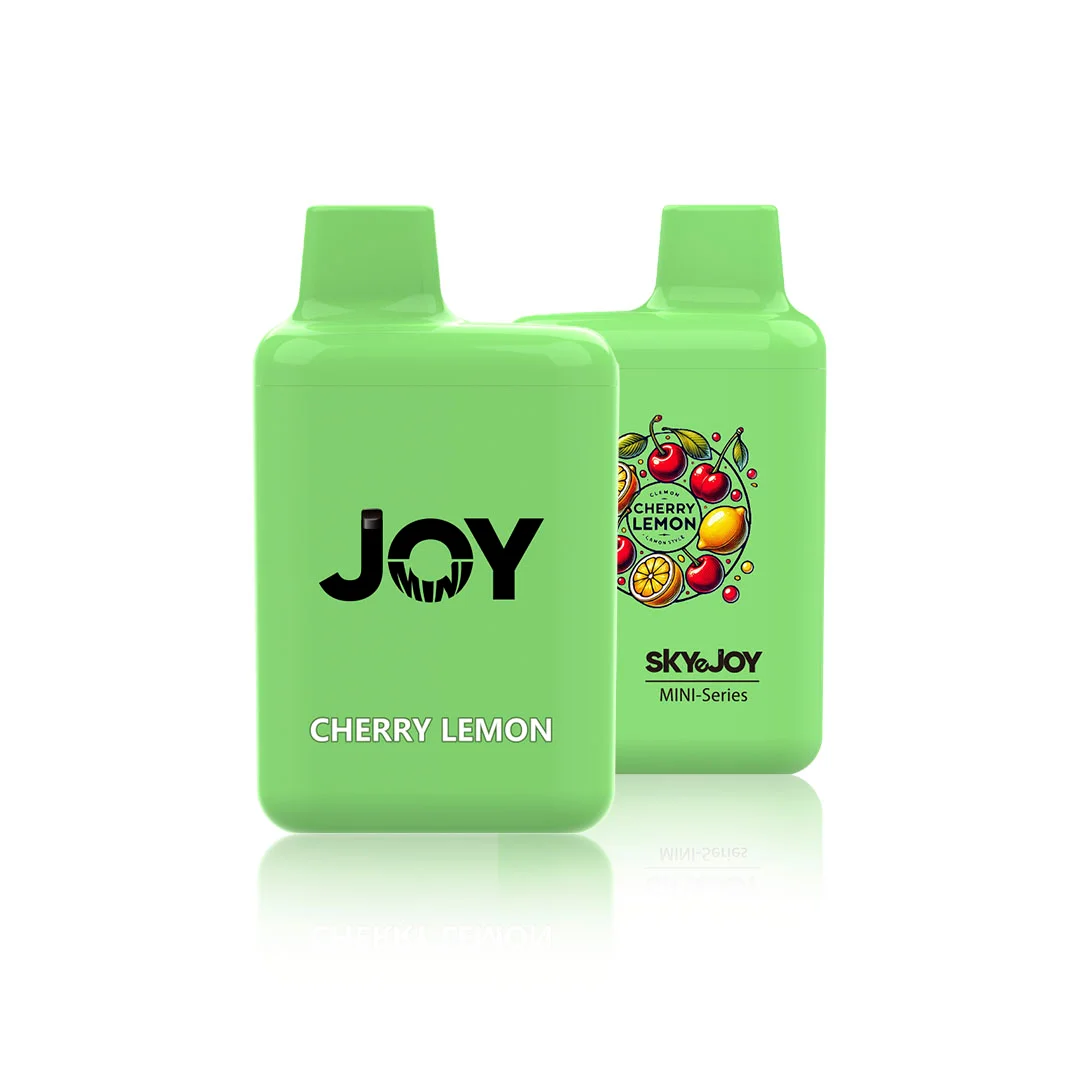

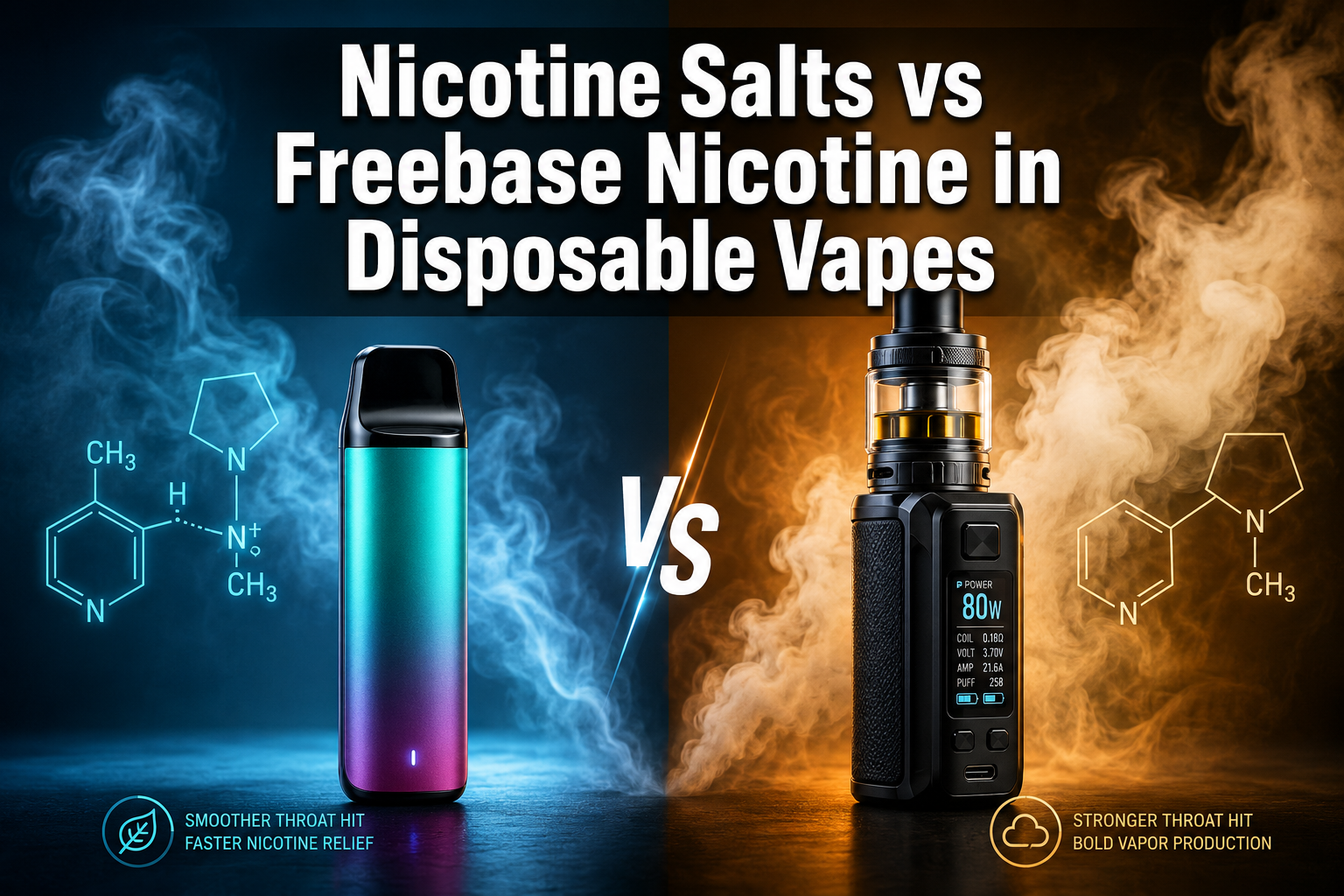
Nicotine salts and freebase nicotine are two different chemical forms of nicotine used in e-liquids. Nicotine salts deliver a smoother throat hit at higher strengths (20-50 mg/mL) and absorb into the bloodstream faster, which is why the vast majority of disposable vapes use them. Freebase nicotine provides a harsher throat sensation at higher concentrations and works best in low-strength formulations (3-12 mg/mL) paired with high-power devices. For most disposable vape users, nicotine salts are the better match.
Key Takeaways
- Nicotine salts are made by combining freebase nicotine with an acid (usually benzoic acid), which lowers the pH and creates a smoother inhale.
- Freebase nicotine is the purest chemical form of nicotine, commonly used in sub-ohm tanks and higher-wattage devices at lower concentrations.
- Most disposable vapes on the market in 2026 use nicotine salts because they work well in small, low-power devices.
- Salt nic absorbs into the bloodstream more quickly than freebase, closely mimicking the nicotine delivery of a traditional cigarette.
- Freebase nicotine above 12 mg/mL typically causes a harsh, peppery throat hit that most users find unpleasant.
- Beginners transitioning from smoking generally find nicotine salts more satisfying and easier to use.
- Neither form is “safe” — both deliver nicotine, which is addictive, and long-term vaping health effects are still being studied.
- Choosing between salt nic and freebase comes down to device type, desired throat hit, and preferred nicotine strength.
What Exactly Are Nicotine Salts and How Do They Work?
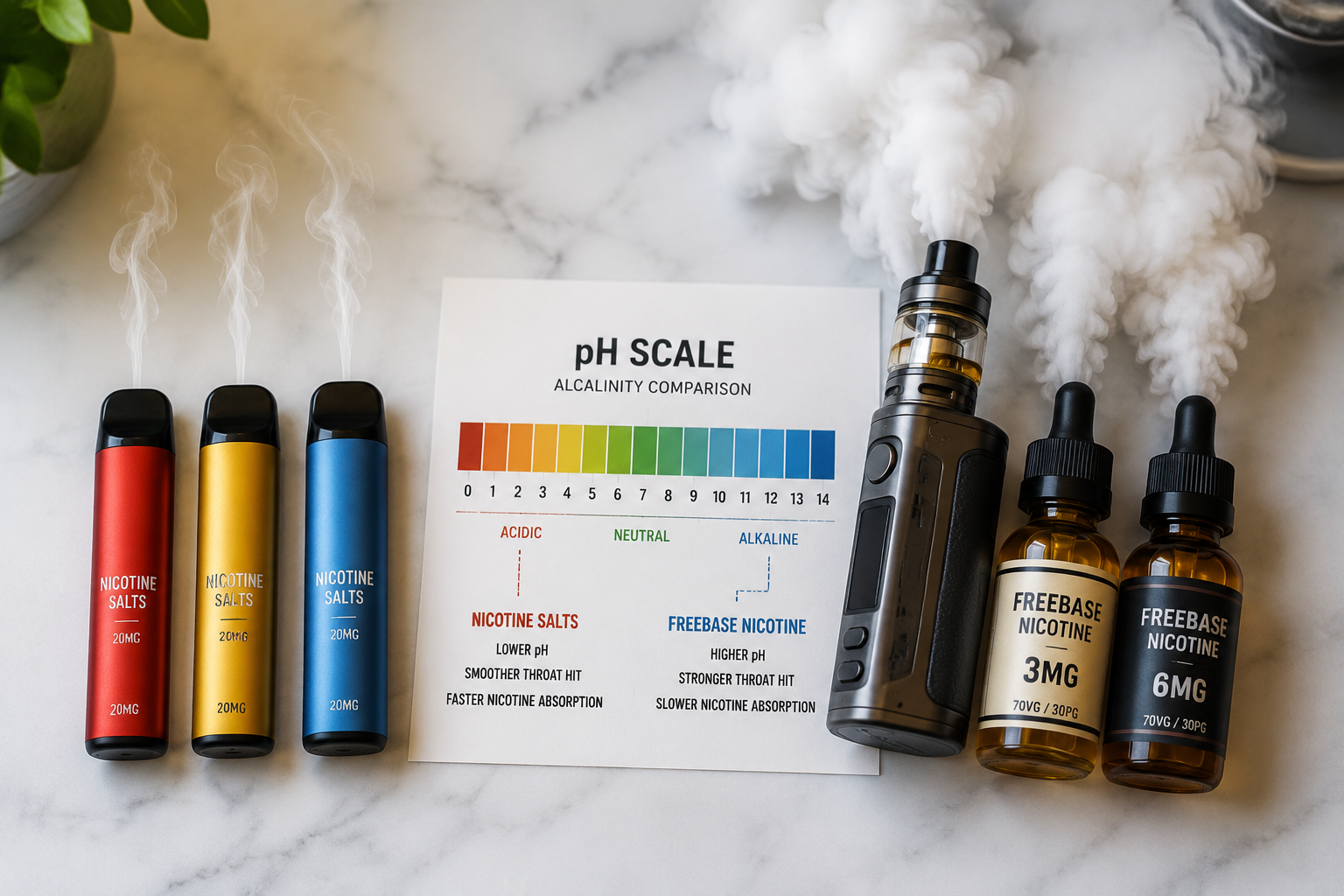
Nicotine salts are a modified form of nicotine created by adding an acid, most commonly benzoic acid, to pure freebase nicotine. This chemical reaction lowers the pH of the nicotine solution, making it less alkaline and much smoother to inhale at higher concentrations.
Here’s how the chemistry breaks down:
- Freebase nicotine exists in its purest, most volatile state. It has a high pH (more alkaline), which is why it feels harsh on the throat at concentrations above about 12 mg/mL.
- Nicotine salts have a lower pH thanks to the added acid. This means they vaporize at lower temperatures and don’t irritate the throat as much, even at 25 mg/mL or 50 mg/mL.
The term “salt” doesn’t mean table salt. In chemistry, a salt is simply the product of an acid-base reaction. Nicotine in tobacco leaves naturally occurs in a salt form, so nicotine salts are actually closer to how nicotine exists in nature.
This matters for disposable vapes because these devices run at low wattage with small coils. Nicotine salts work efficiently in that low-power environment, delivering satisfying nicotine levels without needing a large, powerful device. For a deeper look at how these compact devices function, see our guide on how disposable vapes work: battery, coil, and e-liquid explained.
Common mistake: Some people assume “salt” means added sodium or that it’s a more processed, less natural product. The opposite is true — nicotine salts are chemically closer to the nicotine found in the tobacco plant itself.
Which Gives a Smoother Hit: Salt Nic or Freebase?
Nicotine salts deliver a noticeably smoother throat hit than freebase nicotine, especially at higher strengths. This is the single biggest practical difference between the two for most vapers.
The smoothness comes from the lower pH of nicotine salts. Because freebase nicotine is more alkaline, it irritates throat tissue more aggressively as concentrations increase. At 3 mg/mL or 6 mg/mL, freebase is perfectly smooth for most people. But push it to 18 mg/mL or higher, and the harshness becomes difficult to tolerate.
Nicotine salts flip that equation. A 20 mg/mL salt nic e-liquid often feels comparable to a 3 mg/mL freebase liquid in terms of throat sensation, while delivering significantly more nicotine per puff.
| Factor | Nicotine Salts | Freebase Nicotine |
|---|---|---|
| Throat hit at low strength | Very smooth | Smooth |
| Throat hit at high strength | Smooth to mild | Harsh, peppery |
| Typical strength range | 20-50 mg/mL | 3-12 mg/mL |
| Best device type | Low-wattage pods, disposables | Sub-ohm tanks, high-wattage mods |
| Vapor production | Less vapor | More vapor |
| Nicotine satisfaction per puff | High | Moderate (at typical strengths) |
Choose salt nic if: You want high nicotine delivery without throat irritation, or you’re using a disposable or pod device.
Choose freebase if: You enjoy a noticeable throat hit, prefer large vapor clouds, or use a high-wattage mod.
Why Do Some People Get a Harsh Throat Hit With Freebase Nicotine?
The harshness of freebase nicotine at higher concentrations is caused by its high pH level. Alkaline substances irritate mucous membranes, and the throat and airways are particularly sensitive.
Several factors make the harshness worse:
- Higher nicotine concentration — anything above 12 mg/mL in freebase form becomes rough for most users
- High wattage or temperature — more power means more nicotine vaporized per puff, intensifying the sensation
- Airflow settings — restricted airflow concentrates the vapor, increasing throat impact
- Dehydration — a dry throat amplifies irritation from any vapor
This is precisely why freebase nicotine is typically sold at 3 mg/mL, 6 mg/mL, or 12 mg/mL for sub-ohm vaping. At those levels, the throat hit is present but manageable, and many users actually enjoy it because it mimics the “kick” of a cigarette.
If you’re experiencing a burnt or harsh taste from a disposable vape specifically, the issue might not be the nicotine type at all. It could be a coil problem — check out why some disposable vapes taste burnt and how to avoid it for troubleshooting steps.
How Do Salt Nic and Freebase Affect Nicotine Absorption?
Nicotine salts are absorbed into the bloodstream significantly faster than freebase nicotine. This faster absorption is one of the main reasons salt nic disposables feel more satisfying to former smokers.
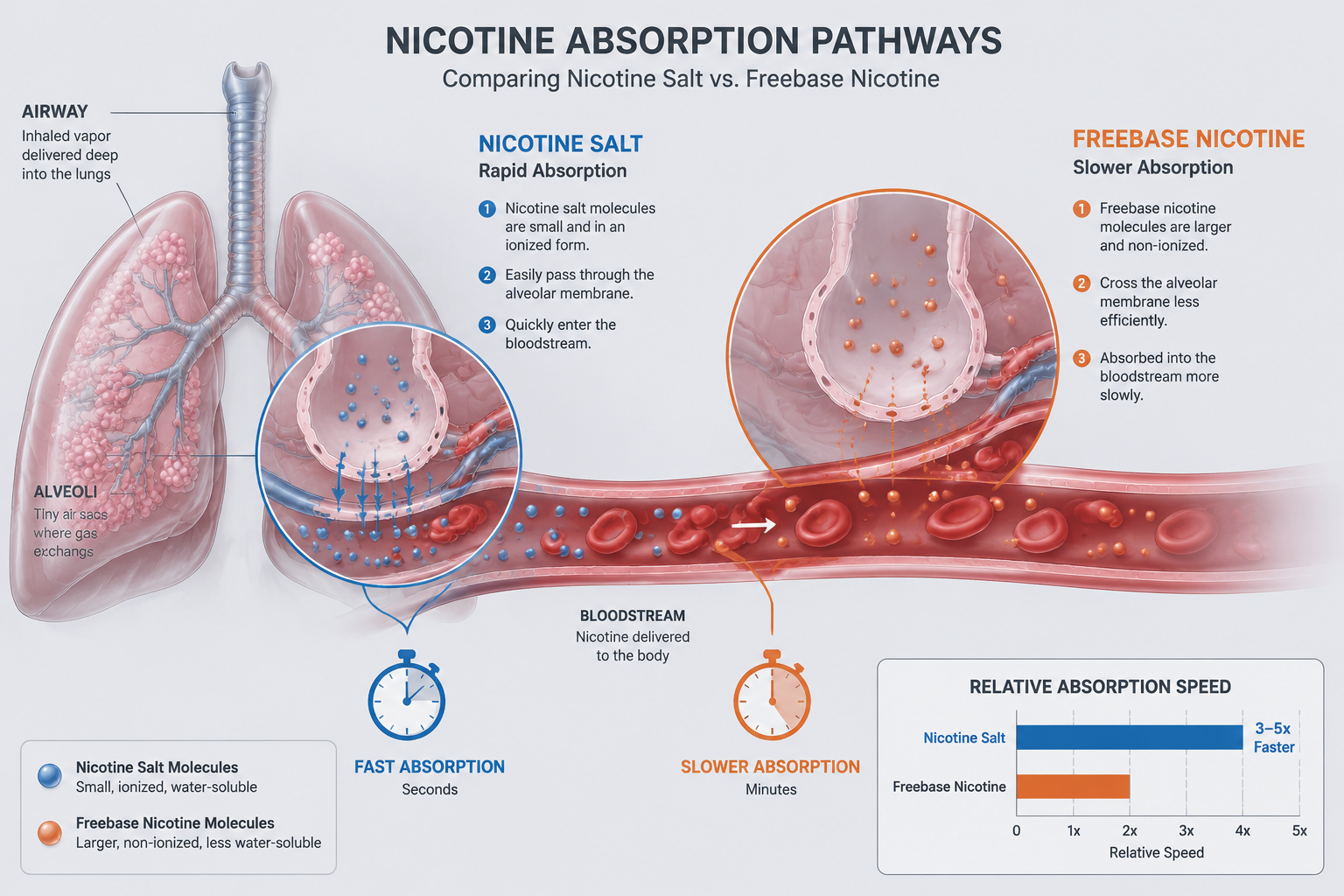
Research into nicotine pharmacokinetics shows that the lower pH of nicotine salts allows them to cross biological membranes more efficiently. In practical terms:
- Salt nic reaches peak blood nicotine levels within roughly 5-10 minutes, similar to a combustible cigarette
- Freebase nicotine in a vape takes longer to reach comparable blood levels, often 15-30 minutes depending on the device and strength
This speed difference matters because cigarette cravings are partly driven by how quickly nicotine hits the brain’s receptors. A slower delivery means more puffs are needed to feel satisfied, which can lead to frustration for people trying to switch from smoking.
Edge case: Some experienced vapers actually prefer the slower absorption of freebase because it encourages a longer, more relaxed vaping session rather than a quick, intense nicotine rush.
Do Salt Nic Vapes Work Faster Than Traditional Nicotine Delivery?
Yes, salt nic vapes deliver nicotine to the bloodstream faster than freebase vaping, and their speed approaches that of traditional cigarettes. This is a key reason disposable vapes have become so popular among adults transitioning from smoking.
A traditional cigarette delivers nicotine to the brain in about 10-20 seconds through combustion and deep lung inhalation. Salt nic vapes aren’t quite that fast, but they’re considerably closer than freebase e-liquids in standard vape devices. The combination of higher nicotine concentration and faster absorption means fewer puffs are needed to feel satisfied.
This is also why the rise of disposable vapes in Canada has been driven largely by salt nic formulations. The user experience is closer to what smokers expect.
Are Nicotine Salts Better for Quitting Smoking?
For many smokers, nicotine salts in disposable vapes provide a more effective transition away from cigarettes than freebase nicotine, primarily because the experience more closely mimics smoking.
Here’s why salt nic tends to work better for this purpose:
- Faster nicotine delivery satisfies cravings more quickly, reducing the urge to reach for a cigarette
- Smoother throat hit means new vapers don’t cough or feel discomfort that might send them back to smoking
- Higher nicotine strengths (20-50 mg/mL) match the nicotine intake of a pack-a-day smoker more closely than typical freebase strengths
- Compact devices like disposables are simple to use with no learning curve
That said, “better for quitting” depends on the individual. Some former smokers specifically want the throat hit that freebase provides because it feels more like a cigarette’s harshness. Others prefer the gentler salt nic experience.
Decision rule: If you smoke more than 10 cigarettes per day and want the closest sensation to smoking, start with a salt nic disposable at 20 mg/mL. If you smoke fewer than 10 per day or find high nicotine makes you dizzy, consider a lower-strength salt nic option or a mild freebase setup.
For help picking the right device, see our guide on how to choose the right disposable vape for you.
What Nicotine Strength Should Beginners Start With?
Beginners should start with a nicotine salt concentration between 20 mg/mL and 25 mg/mL if they’re current smokers, or 10-20 mg/mL if they smoke only occasionally. Non-smokers should not start using nicotine products.
Here’s a practical starting guide:
| Smoking Habit | Recommended Salt Nic Strength | Recommended Freebase Strength |
|---|---|---|
| Heavy smoker (20+ cigarettes/day) | 35-50 mg/mL | Not ideal (too harsh at equivalent levels) |
| Moderate smoker (10-20/day) | 20-35 mg/mL | 12 mg/mL in a pod system |
| Light smoker (under 10/day) | 10-20 mg/mL | 6 mg/mL |
| Social/occasional smoker | 10 mg/mL or lower | 3 mg/mL |
In Canada, regulations cap nicotine concentration at 20 mg/mL for vaping products sold in compliance with federal guidelines, so the higher strengths listed above may not be available depending on your province. Always check local rules. For Ontario-specific regulations, our vaping laws in Ontario 2026 guide covers current requirements.
Common beginner mistake: Starting at the highest available strength “just to be safe.” Too much nicotine causes dizziness, nausea, and headaches. Start at a moderate level and adjust up only if cravings aren’t satisfied.
How Much More Expensive Are Salt Nic Disposable Vapes?
Salt nic disposable vapes are generally comparable in price to freebase alternatives, and in many cases the per-puff cost is actually lower because users need fewer puffs to feel satisfied.
A typical disposable vape in Canada ranges from $8 to $25 depending on puff count, brand, and nicotine strength. Salt nic and freebase disposables at the same puff count are usually priced within a dollar or two of each other. The real cost difference shows up in consumption patterns:
- A salt nic user might take 5-10 puffs to satisfy a craving
- A freebase user at lower nicotine strength might need 15-25 puffs for the same effect
- This means a salt nic disposable can last longer despite identical puff ratings
For budget-conscious vapers in Ontario, there are affordable disposable vapes under $20 that use nicotine salts and offer solid value.
Bottom line: Don’t choose between salt nic and freebase based on price. Choose based on your nicotine needs and preferred experience.
Can I Use Salt Nic in a Regular Vape Device?
Salt nic e-liquid should only be used in low-wattage devices like pod systems and disposable vapes, not in high-power sub-ohm tanks or box mods. Using salt nic in a high-wattage device can deliver dangerously high amounts of nicotine per puff.
Here’s why this matters:
- A sub-ohm tank running at 60-80 watts vaporizes far more e-liquid per puff than a small pod device running at 10-15 watts
- If that e-liquid contains 50 mg/mL nicotine salts, each puff delivers an enormous nicotine dose
- Symptoms of nicotine overconsumption include severe nausea, rapid heartbeat, dizziness, and vomiting
Safe pairing guide:
- Salt nic (20-50 mg/mL): Use with disposable vapes, pod systems, or any device under 15 watts
- Freebase (3-12 mg/mL): Use with sub-ohm tanks, box mods, or any device above 15 watts
- Freebase (12-18 mg/mL): Use with mouth-to-lung tanks at moderate wattage
If you’re deciding between a disposable and a refillable pod system, our disposable vape vs pod system comparison breaks down the pros and cons of each.
What Are the Health Risks of Salt Nic vs Freebase?
Neither nicotine salts nor freebase nicotine are risk-free. Both deliver nicotine, which is addictive, raises blood pressure, and increases heart rate. The long-term health effects of inhaling vaporized e-liquid in any form are still being studied, and no health authority considers vaping completely safe.
Key health considerations for both forms:
- Nicotine addiction: Salt nic’s faster absorption and higher concentrations can lead to stronger dependence more quickly. Users who wouldn’t have become dependent on low-strength freebase may develop dependence on high-strength salts.
- Cardiovascular effects: Nicotine in any form constricts blood vessels and raises heart rate. Higher doses (common with salt nic) amplify these effects.
- Respiratory effects: The base ingredients in e-liquid (propylene glycol, vegetable glycerin) are the same for both nicotine types. Current evidence suggests vaping is less harmful than combustible cigarettes, but “less harmful” does not mean harmless.
- Benzoic acid exposure: Nicotine salts contain benzoic acid, which is generally recognized as safe for food use but has limited research on inhalation effects over many years.
What we don’t know yet: Long-term studies on vaping (20+ years of use) simply don’t exist because the technology is too new. Both salt nic and freebase users should be aware of this uncertainty.
Is Salt Nic Safe for People With Lung Issues?
People with existing lung conditions such as asthma, COPD, or chronic bronchitis should consult a healthcare provider before using any vaping product, whether salt nic or freebase. There is no vaping product currently approved as safe for people with compromised respiratory function.
That said, some relevant points:
- Salt nic’s smoother throat hit may cause less immediate airway irritation than freebase at equivalent nicotine levels
- However, the higher nicotine content in salt nic products can increase heart rate and blood pressure, which may complicate certain cardiovascular conditions that often accompany lung disease
- Propylene glycol, a common e-liquid base ingredient, can trigger airway sensitivity in some individuals regardless of nicotine type
Clear recommendation: If you have a diagnosed lung condition and currently smoke, talk to your doctor about approved cessation methods. If your doctor supports vaping as a harm-reduction tool, they can help you choose the appropriate nicotine type and strength.
Which Brands Make the Best Salt Nic Disposables?
The best salt nic disposable vapes combine reliable hardware, consistent nicotine delivery, and quality flavor. In the Canadian market in 2026, several brands stand out for their use of nicotine salts in well-designed disposable devices.
When evaluating salt nic disposables, look for:
- Consistent nicotine strength from the first puff to the last
- Quality flavor that doesn’t degrade or taste burnt halfway through
- Reliable battery life that matches the e-liquid capacity
- Compliance with Canadian regulations for nicotine concentration and labeling
You can browse a curated selection of disposable vapes that meet Canadian standards to compare options. For a broader overview of top-rated products, check out the best disposable vapes in Canada for 2026.
Buying tip: Avoid purchasing disposable vapes from unverified sources. Counterfeit products may contain inaccurate nicotine levels or unsafe ingredients. Stick with authorized retailers.
What Common Mistakes Do New Vapers Make With Salt Nic?
New vapers make several predictable mistakes with nicotine salt products that can lead to unpleasant experiences or excessive nicotine intake.
The most common mistakes:
Starting at the highest available strength. A 50 mg/mL salt nic disposable can cause nausea, headaches, and dizziness in someone who only smoked a few cigarettes a day. Start moderate and increase only if needed.
Chain vaping without realizing nicotine is building up. Because salt nic is smooth, it’s easy to take puff after puff without feeling the throat signal to stop. Nicotine overconsumption symptoms can appear 15-30 minutes after a heavy session.
Using salt nic liquid in a high-wattage device. As covered above, this delivers far too much nicotine per puff. Always match the nicotine type to the device.
Assuming salt nic is “healthier” because it’s smoother. Smoothness has nothing to do with safety. Salt nic simply irritates the throat less — it doesn’t reduce nicotine’s effects on the body.
Not knowing when the device is running low. A dying disposable can produce burnt, unpleasant hits. Learn how to tell when a disposable vape is near the end to avoid this.
Buying based on price alone. The cheapest option isn’t always the best value. Low-quality disposables may have inconsistent nicotine delivery or poor flavor.
For a more complete list, our guide on common disposable vape buying mistakes covers what first-time users should watch for.
Nicotine Salts vs Freebase Nicotine in Disposable Vapes: A Side-by-Side Summary
To bring together everything covered above, here’s a comprehensive comparison:
| Category | Nicotine Salts | Freebase Nicotine |
|---|---|---|
| Chemical process | Freebase + benzoic acid | Pure nicotine, no additives |
| pH level | Lower (less alkaline) | Higher (more alkaline) |
| Typical strength | 20-50 mg/mL | 3-12 mg/mL |
| Throat hit | Smooth even at high strength | Harsh above 12 mg/mL |
| Absorption speed | Fast (similar to cigarettes) | Slower |
| Best device match | Disposables, pod systems | Sub-ohm tanks, box mods |
| Vapor production | Lower | Higher |
| Ideal for quitting smoking | Yes, for most people | Yes, for those who prefer throat hit |
| Risk of overconsumption | Higher (due to smoothness + strength) | Lower (harshness acts as natural limiter) |
| Availability in disposables | Very common | Rare |
| Cost per device | Similar | Similar |
Frequently Asked Questions
What is the difference between nicotine salts and freebase nicotine in simple terms? Freebase nicotine is pure nicotine in its most basic chemical form. Nicotine salts are freebase nicotine combined with an acid (usually benzoic acid), which makes the vapor smoother and allows higher concentrations without harshness.
Why do almost all disposable vapes use nicotine salts? Disposable vapes are low-power devices. Nicotine salts work efficiently at low wattage and deliver satisfying nicotine levels in a compact format. Freebase nicotine at the same strength would be too harsh to inhale comfortably.
Can nicotine salts help me quit smoking? Many former smokers report that nicotine salts made the transition from cigarettes easier because the nicotine delivery speed and satisfaction level are closer to smoking. However, vaping is not an approved cessation therapy in all jurisdictions, and results vary by individual.
Is 20 mg/mL salt nic strong? For a moderate smoker (10-15 cigarettes per day), 20 mg/mL is a reasonable starting point. For very light smokers or non-smokers, it may be too strong. For heavy smokers in markets where higher concentrations are legal, it may feel insufficient.
Do nicotine salts expire faster than freebase? Both types have similar shelf lives, typically 1-2 years when stored properly. Nicotine salts may actually be slightly more stable due to their lower pH, but the difference is negligible for most users.
Will I get addicted faster with nicotine salts? Higher nicotine concentrations and faster absorption can lead to dependence forming more quickly. Users should be mindful of their intake, especially if they weren’t previously nicotine-dependent.
Can I taste the difference between salt nic and freebase in a vape? Most users can’t distinguish the flavor itself. The main noticeable difference is the throat sensation: freebase feels sharper, while salt nic feels smoother. Flavor profiles depend on the e-liquid recipe, not the nicotine type.
Are there nicotine-free disposable vapes? Yes, some disposable vapes contain 0 mg/mL nicotine. These use the same e-liquid base (propylene glycol and vegetable glycerin) with flavorings but no nicotine of any type.
What happens if I use too much salt nic? Symptoms of nicotine overconsumption include nausea, dizziness, headache, increased heart rate, and in severe cases, vomiting. If symptoms occur, stop vaping immediately and get fresh air. Seek medical attention if symptoms persist.
Is freebase nicotine being phased out? No. Freebase nicotine remains popular among experienced vapers who use refillable devices and prefer lower nicotine strengths with larger vapor production. It’s primarily being replaced by salt nic in the disposable and pod system segments.
How do I know if my disposable vape uses salt nic or freebase? Check the product packaging or description. Most disposable vapes explicitly state “nicotine salts” or “salt nic.” If the nicotine strength is 20 mg/mL or higher in a small device, it’s almost certainly salt nic.
Conclusion
The debate around nicotine salts vs freebase nicotine in disposable vapes comes down to chemistry, device design, and personal preference. Nicotine salts dominate the disposable vape market for good reason: they deliver smooth, fast-acting nicotine satisfaction in a small, simple device. Freebase nicotine still has its place for vapers who prefer lower strengths, bigger clouds, and a more pronounced throat hit with powerful hardware.
Actionable next steps:
- If you’re switching from cigarettes, start with a salt nic disposable at 20 mg/mL and adjust from there based on how satisfied you feel.
- If you’re already vaping freebase and curious about disposables, try a salt nic device at a strength that roughly matches your current nicotine intake (keeping in mind that salt nic absorbs faster).
- If you’re new to vaping entirely, understand that both forms deliver addictive nicotine. Choose the lowest strength that satisfies your needs and be conscious of your consumption.
- Always buy from reputable sources to ensure accurate nicotine labeling and product safety.
The right choice isn’t universal. It depends on your smoking history, your device, and what kind of experience you want. Understanding the science behind both options puts you in a much better position to make that choice confidently.